
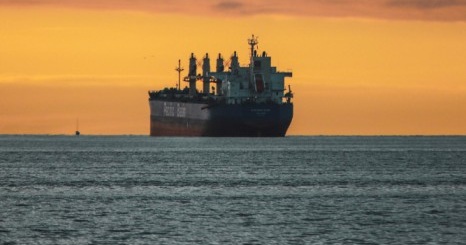
On Friday, global oil prices experienced a notable drop following remarks from US President Donald Trump, who indicated that a peace agreement with Iran might be on the horizon. Such a development sparked hopes for reduced tensions in the strategically crucial Strait of Hormuz. Brent crude prices momentarily dipped below $85 per barrel, a decline from around $93 earlier in the week, before stabilizing between $87 and $89. This fluctuation was in response to varying statements emerging from both Washington and Tehran.
The initial plunge in oil prices was driven by optimism that a potential deal could lead to the reopening of the Strait of Hormuz, an essential artery for the global transportation of oil and gas. However, this optimism was tempered as prices rebounded slightly when both parties involved in the negotiations issued mixed messages regarding the status of the talks. President Trump mentioned that military action against Iran had been halted due to advancements in discussions, though he also dismissed reports suggesting a finalized agreement.
Iranian officials echoed the sentiment of ongoing discussions but clarified that no conclusive deal had yet been reached. These mixed signals contributed to a sense of uncertainty in the markets, causing a partial recovery in prices. The volatility in oil markets underscores how sensitive they remain to political developments, with prices highly reactive to news of potential conflict or diplomatic progress.
Despite the recent fluctuations, some analysts predict that oil prices may eventually stabilize as global supply conditions improve and stockpiles are replenished. Nonetheless, the forecasts remain clouded by the persistent geopolitical risks and varying levels of demand. The complex interplay of these factors continues to make the future direction of oil prices unpredictable.