
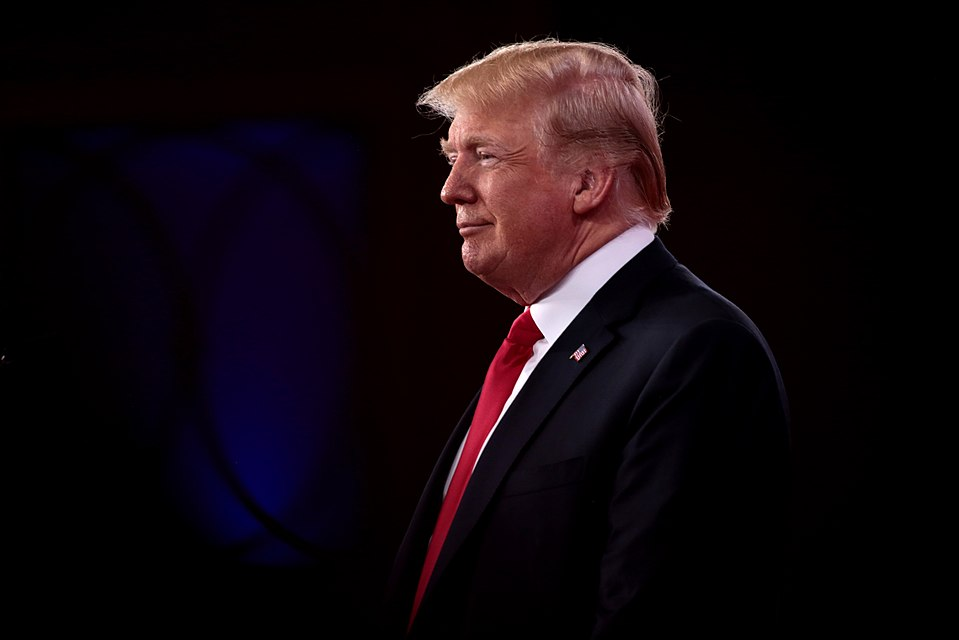
In a move that surprised diplomatic observers, Donald Trump has threatened to impose 25% tariffs on South Korean exports, citing Seoul’s failure to secure legislative approval for a trade agreement the two countries reached last year. The president’s statement specifically blamed Korea’s parliament for not ratifying the deal he considers legally binding.
The trade agreement was negotiated directly between Trump and South Korean President Lee Jae Myung in October 2024 and included significant concessions from both sides. Washington agreed to reduce tariffs on Korean vehicles and other products from 25% to 15%, while Seoul committed to substantial investments in American industries and markets.
South Korea’s response has been complicated by constitutional questions about whether the agreement requires parliamentary ratification. The presidential office initially maintained it did not, characterizing the deal as a memorandum of understanding, but political pressure is now forcing legislative action on five related bills.
The automotive industry stands to lose the most if Trump implements the threatened tariffs, as the sector represents 27% of South Korean exports to America. Market reaction was swift, with Korean carmaker stocks falling up to 5% before partially rebounding, reflecting uncertainty about Trump’s intentions and timeline.
Economists and trade analysts view Trump’s threat as consistent with his broader approach to international relations in his second term, which has featured frequent tariff warnings against allies and adversaries alike. The unpredictability of such announcements creates challenges for businesses attempting to make long-term investment and production decisions.